
The psychological effects of gambling Understanding ice fishing insights
The Psychological Impact of Gambling
Gambling, often viewed as an entertaining pastime, has profound psychological implications that can affect individuals in various ways. At its core, gambling stimulates the brain’s reward system, releasing dopamine, a neurotransmitter associated with pleasure. This chemical response can lead to a cycle of seeking more significant rewards, making individuals crave the thrill of winning, which can easily transition into problematic gambling behavior. Many enthusiasts find that activities like ice fishing serve as an intriguing alternative to gambling, blending family fun with the excitement of unpredictability.
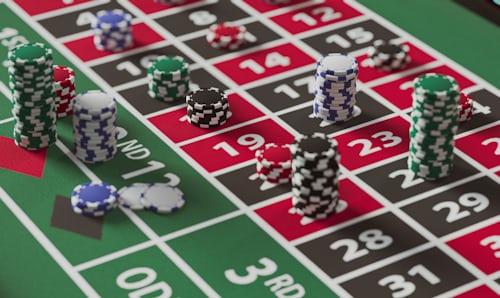
The psychology behind gambling is multifaceted. For many, it serves as a form of escapism, providing an outlet from daily stresses and challenges. This desire to escape reality can lead to increased risk-taking and poor decision-making. As individuals invest more time and money into gambling, they may become increasingly detached from their responsibilities, relationships, and financial obligations, creating a vicious cycle that is challenging to break.
Furthermore, the social aspects of gambling play a crucial role in its psychological effects. Many people gamble in groups, fostering a sense of community and camaraderie. However, this social element can also lead to peer pressure, encouraging individuals to engage in riskier gambling behaviors. Understanding the interplay of these psychological factors is essential for those seeking to comprehend the broader implications of gambling on mental health.
Celebrity Gamblers and Their Influence
Celebrity gamblers significantly impact public perception of gambling, often glamorizing the lifestyle and promoting the thrill associated with high-stakes bets. Celebrities like Ben Affleck and Charlie Sheen have openly shared their gambling experiences, showcasing both the excitement and the dangers that come with it. This visibility can lead to misconceptions about gambling, encouraging others to underestimate the potential risks involved.
While the portrayal of gambling by celebrities often highlights the fun and excitement, it can inadvertently downplay the serious psychological issues associated with it. For instance, many fans may not recognize that behind the glitz, some celebrities struggle with gambling addiction. This portrayal can create a false sense of security among aspiring gamblers, leading them to believe that they, too, can handle the pressures and consequences of gambling without adverse effects.
Moreover, the allure of celebrity culture can encourage individuals to imitate their favorite stars, resulting in increased gambling activity. This phenomenon is particularly concerning among younger audiences who may see gambling as a rite of passage or a pathway to fame and fortune. Understanding these dynamics is critical for fostering responsible gambling behaviors and mitigating the risks associated with gambling addiction.
The Connection Between Gambling and Ice Fishing
Interestingly, both gambling and ice fishing share a sense of thrill and uncertainty, albeit in different forms. Ice fishing often requires patience and strategy, similar to gambling, where individuals must assess risks and make calculated decisions. The unpredictable nature of both activities can create a sense of excitement, whether it’s waiting for a fish to bite or hoping for a winning hand.
Ice fishing can also serve as a social gathering, much like gambling in casinos. It provides an opportunity for individuals to bond over a shared experience, fostering camaraderie among participants. However, the stakes can differ significantly between the two activities. While ice fishing can lead to memorable moments and enjoyable outings, gambling can lead to potential financial ruin, especially if not approached responsibly.
Exploring the psychological elements that link these two activities can reveal valuable insights into human behavior. For instance, the sense of community found in ice fishing could potentially serve as a mitigating factor against the isolation often felt by individuals engaged in gambling. Understanding these connections can aid in developing healthier recreational activities that harness the thrill without the adverse consequences associated with gambling.
Preventing Gambling Addiction
Prevention is crucial in mitigating the psychological effects of gambling. Awareness and education can help individuals recognize the signs of gambling addiction early on. Providing resources and support for those struggling with gambling urges is vital for fostering healthier behaviors. For instance, counseling services and community support groups can serve as essential tools in preventing gambling-related issues.
Moreover, establishing strict regulations around gambling, including age restrictions and awareness campaigns, can significantly reduce the prevalence of addiction. Initiatives aimed at educating potential gamblers about the risks and consequences associated with their choices can empower them to make informed decisions. Such preventive measures are essential for safeguarding individuals and communities from the detrimental psychological impacts of gambling.
Lastly, promoting alternative leisure activities can divert attention away from gambling. Encouraging hobbies like sports, arts, or even ice fishing can offer individuals fulfilling experiences that fulfill the desire for excitement without the risks associated with gambling. By emphasizing healthy alternatives, society can work towards reducing gambling-related issues and fostering mental well-being.
Explore More About Gambling Insights
Understanding the psychological effects of gambling, particularly in the context of popular activities like ice fishing, is essential for promoting healthier behaviors. This website aims to provide comprehensive insights into the nuances of gambling, its psychological impacts, and the importance of responsible engagement. Through thoughtful articles and resources, we delve into the many dimensions of gambling, exploring both the allure and the risks involved.
Whether you’re seeking knowledge to help yourself or someone you care about, this platform serves as a valuable resource for fostering understanding and awareness. By shedding light on the hidden aspects of gambling, we hope to encourage responsible choices and highlight the importance of mental health in recreational activities. Join us as we explore this complex and captivating topic further.